By Raphael, Founder – Heavy Duty Mobility – Last updated September 2026. Meet the team.
What is an electric aircraft tug?
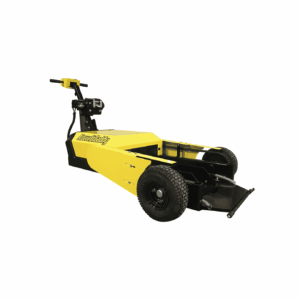
An electric aircraft tug is a battery powered ground mover that takes the weight of an aircraft nose wheel and walks it in or out of a hangar under its own drive. There is no tow bar crew, no truck, and no engine noise inside the building. One person operates it at 0 to 2 mph, which is the speed you actually want when a wingtip is a foot from the door frame.
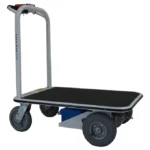
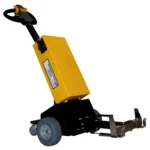
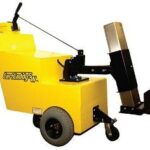
The eight AircraftCaddy models on this page run from 4,000 lb up to 35,000 lb of aircraft. Every one is built to order around the aircraft you fly, because the part that matters is not the motor, it is the attachment that meets your nose gear.
DJ Products AircraftCaddy
Electric Aircraft Tugs From 4,000 to 35,000 lb
Eight battery powered hangar tugs, walk behind and rider, sized to the aircraft rather than the aisle
35,000 lb
Top aircraft weight, single or dual nose wheel (35K and DNW)
8Models, from the 4K Jr up to the dual nose wheel DNW
2 mphWorking speed forward and reverse on most models
0 to 5 mphRider model speed for long ramp and apron runs (R/W)
24V and 36VBattery systems with onboard chargers
Aircraft weight across the line
Where these earn their keep
- Pulling singles and light twins in and out of a private or club hangar
- FBO and flight school ramps where aircraft get repositioned all day
- Maintenance shops shuffling aircraft between bays without starting an engine
- Turboprops and light jets up to 35,000 lb, including dual nose wheel gear
Pick by the heaviest aircraft you move and by your nose gear, not by horsepower. The 4K Jr covers most singles, the 4K / 8K and Magic Arm cover heavy singles and light twins, and the 15K, 35K and DNW take turboprops and light jets.
How much tug do you need for your aircraft?
Size to the maximum ramp weight of the heaviest aircraft you move, then leave headroom for a sloped ramp or a rough apron. A tug rated at 8,000 lb on level concrete works harder on a grade, and hangar floors are rarely as flat as they look.
- Up to 4,000 lb. The 4K Jr suits most single engine pistons. It runs a 12V system and handles aircraft with or without wheel pants.
- 4,000 to 8,000 lb. The 4K / 8K covers heavy singles and light twins in one frame, with 24V or 36V depending on the rating you order.
- 8,000 lb with power loading. The Magic Arm 8K adds a loading mechanism that pulls the nose wheel onto the tug so the operator is not muscling the aircraft into position.
- Up to 15,000 lb. The 15K and the 15K Magic Arm take cabin class twins and light turboprops. The 15K is the better fit for retract and non wheel pant aircraft.
- Up to 35,000 lb. The 35K handles snow, sleet and grass as well as concrete. The DNW is the dual nose wheel version and works on single nose wheel aircraft too.
Wheel pants, nose gear and the attachment that fits
The attachment is the part of an aircraft tug that decides whether it works on your airplane. DJ Products builds the cradle, the wheel guide and the tow bar catch to match your gear, which is why nothing here has a shelf price.
Wheel pants are the usual sticking point. Several models take an easy on and off wheel cradle that clears a pant without removing it, and a wheel guide is available for both pant and non pant aircraft. Retract gear and small nose tires usually point at the 15K. If you have a mixed fleet, tell us the widest and the narrowest nose tire and the attachment gets specified for both.
These are towbarless tugs. The nose wheel sits on the tug rather than being dragged behind a bar, so steering stays in the operator’s hands and the aircraft turns inside its own footprint. For the ground handling ground rules themselves, the AOPA guidance on aircraft ground handling is the standard reference, and the FAA Airplane Flying Handbook covers nose gear limits you should not exceed while turning.
Walk behind tug or aircraft tow tractor
Most hangars want a walk behind. The operator stands where they can see the wingtip and the tail, which is the whole safety argument for moving an aircraft this slowly. Seven of the eight models here are walk behind.
The AircraftCaddy R/W is the exception and it is the closest thing in this range to an aircraft tow tractor. It carries the operator, runs 0 to 5 mph instead of 0 to 2, and moves aircraft up to 15,000 lb. It earns that trade when the move is long, an apron shuffle or a repeated run across a big FBO ramp, rather than a single pull out of a hangar door.
The rule is the same one that applies to every other kind of tug in our range. Distance buys a rider, tight quarters buy a walk behind. Our guide to walk behind versus ride on tuggers works the same decision through in a warehouse setting.
What an electric aircraft tug replaces
It replaces three things. Starting the engine to reposition, which burns fuel and puts hours on the airframe for a 60 foot move. Pushing by hand, which is where hangar rash and back injuries come from. And a tug truck, which most private hangars have no room for and no reason to own.
Battery power also means it runs inside the hangar with the doors shut, which matters in winter and matters to anyone who has to breathe the air in there.
What these tugs will not do
They do not lift. An aircraft tug moves an airplane horizontally on its own gear and nothing else. Jacking, engine changes and gear work still need the right equipment.
They are also not rated for aircraft above 35,000 lb, and DJ Products rates capacity on level ground. Surface, incline, tire pressure and nose gear loading all change what a tug can actually do on your ramp, so a sales engineer confirms the model against your aircraft before anything is built.
Aircraft tug price and what a quote covers
DJ Products does not publish list prices. Every AircraftCaddy is built to order, so the quote reflects the model, the attachment for your nose gear, the battery system and any options such as an electric winch, a wheel cradle or foam filled tires.
Tell us the heaviest aircraft, the nose gear type, whether it wears pants, and how far you move it. That is enough for a written quote with the build time on it. Call 1-888-233-5563 or use the quote button on any tug above.
These tugs come from DJ Products, who have built battery powered movers in Minnesota since 1997. The same drivetrains show up in our electric tuggers and dumpster movers.




 4.7
4.7